How smartphones and cashless payments are changing how supporters donate
The shift towards cards and mobile wallets doesn’t mean traditional fundraising stops working — but it does mean many supporters now expect an easy way to donate online, especially when they’re on the move. This insight explains the trend and what small, volunteer-led organisations can do to stay accessible.
Why this matters
Many volunteer-led organisations raise vital funds through events, collections, raffles and local supporters. Those approaches still matter, and they often create the strongest community connection.
At the same time, day-to-day payment habits have changed. People are less likely to carry cash and more likely to use cards or their phone. When someone is motivated to give, after seeing a poster, hearing about your work, or attending an event, they may look for a quick, simple way to donate online.
The aim of this insight isn’t to suggest every group needs to “go digital overnight”. It’s to explain what’s changing in the environment, and highlight small, achievable steps that can help you capture donations you might otherwise miss.
What’s changing in everyday behaviour
Two trends are shaping expectations around giving:
- Smartphones are now a normal part of daily life for most people
- Cashless payments are now the default in many everyday situations
That combination makes “in-the-moment” giving more common: supporters see something, feel motivated, and want to donate there and then, often on a phone.
At a glance: why online giving matters more now
- Most people now have a smartphone and use it for everyday tasks
- Many adults use cash rarely, and contactless has become a habit
- Supporters increasingly expect donations to be quick, mobile-friendly and simple
For volunteer-led charities, this is less about “having a big digital strategy” and more about making sure supporters can easily donate when they’re ready.
Finding 1: Smartphones make instant action normal
Smartphones have made it normal to do things immediately: check information, message someone, buy tickets, or pay for something with a few taps. That same expectation now applies to donating.
For many supporters, “I’ll donate later” often becomes “I forgot”. A mobile-friendly donation option helps people act while motivation is high.
This doesn’t mean every donation needs to be online, but it does mean that having a simple online route can complement in-person fundraising and make it easier for supporters to follow through.
Finding 2: Cashless payment habits reduce “spare change” giving
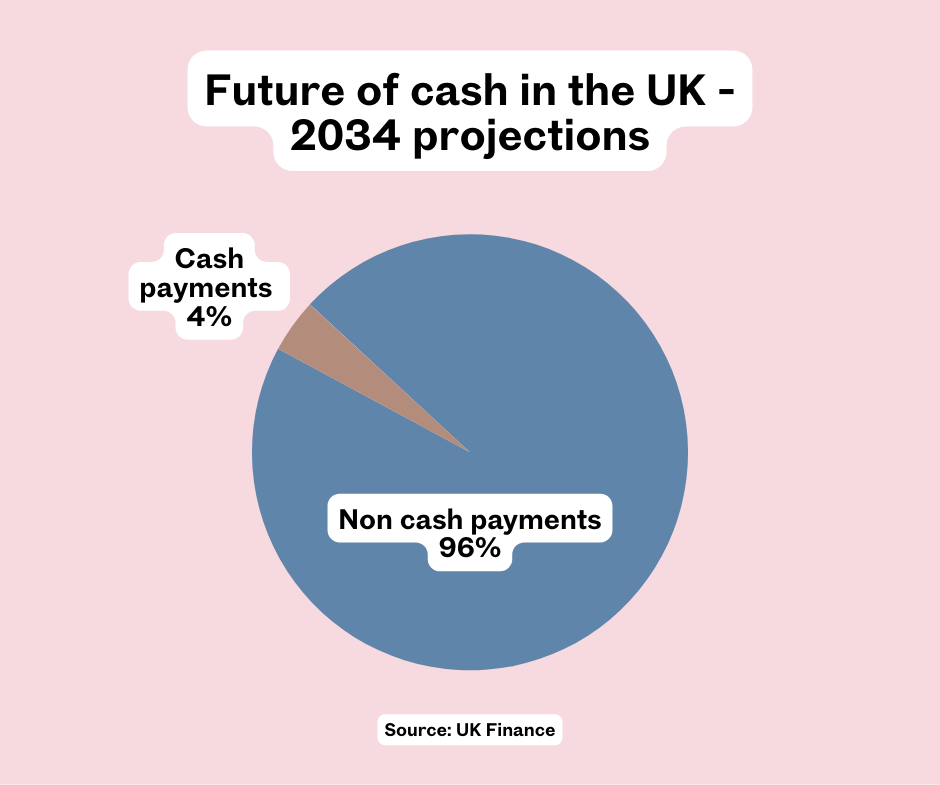
Cards and mobile wallets are convenient, but they also change how spontaneous giving works. Supporters may still be generous, but they’re less likely to have coins in a pocket or cash in a wallet.
That’s why donation journeys that work well on a phone, for example via a QR code on a poster or event sign — can help translate goodwill into an actual donation.
The opportunity here is positive: your supporters may be just as willing to give as ever. The difference is that the “default payment method” has changed, and fundraising can work better when it meets supporters where they are.
Finding 3: Simple digital routes make giving easier for more people
Online fundraising doesn’t have to be complicated. For many volunteer-led groups, the most helpful step is simply ensuring there’s a clear, trusted place online where someone can donate quickly.
This also helps supporters who hear about your organisation second-hand, for example from hospital staff, friends, or local community groups, and then search online later.
Small improvements in clarity and accessibility can have an outsized impact. A short page that explains who you are and gives a straightforward way to donate can support everything else you already do.
Practical steps that don’t add a lot of work
If your group relies mainly on in-person fundraising, you don’t need a complex online setup. Start with a few essentials.
If you’re also thinking about how donations are processed behind the scenes, see How modern payment platforms are changing fundraising and enabling online donations.
- A single, mobile-friendly donation page
- A clear “Donate” button and suggested amounts (optional)
- A QR code you can reuse on posters, raffle tickets and event signage
- A short explanation of what donations fund, so supporters feel confident giving
The goal isn’t to replace community fundraising, it’s to make sure you can accept donations in the way many supporters now prefer to pay.
What this means for volunteer-led organisations
Many groups are doing the hardest part already: building trust locally and creating reasons for people to give. A simple online donation option helps supporters act on that goodwill when they’re ready.
If you run events, collections or hospital-based fundraising, a QR code and a clear donation page can work alongside cash tins and card readers, giving supporters more choice, not less.
Related insight: How website presence relates to income and Gift Aid for Friends of Hospital charities.
Sources & limitations
- Smartphone statistics (UK): uSwitch mobile statistics
- Use of cash (UK): UK Parliament briefing (CBP-8570)
- Payments trends and projections: UK Finance Payment Markets Report (summary)
Trends vary by community and age group, and cash still matters for some supporters. This insight is intended to help volunteer-led organisations understand the direction of travel and make practical choices about accessibility.
How Fundraisy helps
Fundraisy is designed to make online donations simple for volunteer-led organisations, with mobile-friendly donation journeys and reusable QR codes you can add to posters, flyers and event signage.
Create your free Fundraisy website