Planning a school disco? Here’s what works
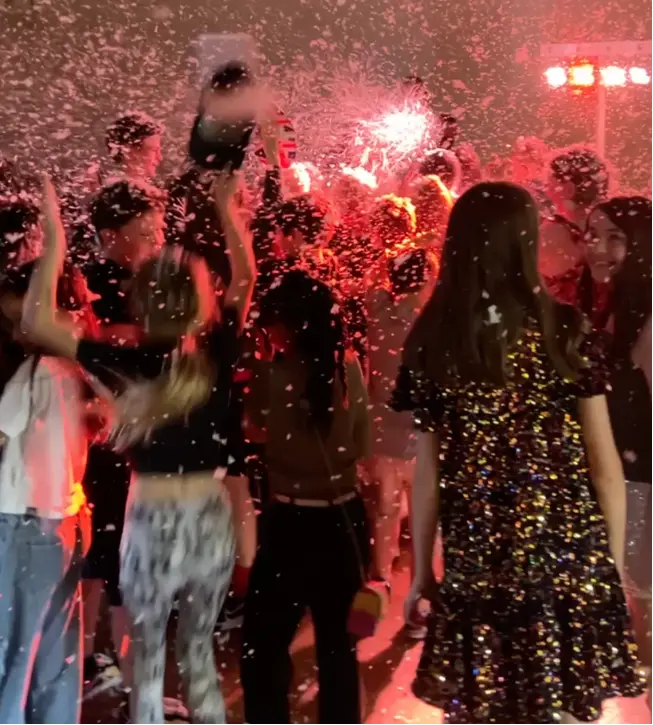
School discos are one of the most reliable PTA fundraisers, but the ones that run smoothly are rarely left to chance.
The difference usually comes down to planning, ticket sales, pricing, noise levels and how calmly the event is managed on the day.
Done well, a disco can be simple to organise, popular with children and a strong earner for your PTA.
We’ve looked at how PTAs run successful school discos and pulled together what consistently works.
1. Keep it simple and repeatable
The best school discos are usually not overcomplicated.
A clear structure makes it easier to run now and repeat later in the year.
- Run 1 to 3 discos a year, often once a term or around Halloween, Valentine’s or summer
- Split sessions by age group, such as Reception/KS1 and KS2
- Keep each session to around 60 to 90 minutes
- Stick to a simple format: music, drinks, snacks and a few optional extras
Themes can work well, but they are not essential. Many PTAs find that children care more about music, snacks and seeing their friends than elaborate decorations.
2. Sell tickets in advance
One of the biggest improvements many PTAs make is moving away from cash on the door.
Selling tickets in advance:
- Gives you a clear idea of numbers
- Reduces queues and admin on the night
- Helps with safeguarding and planning ratios
- Makes it easier to split children into sessions
Many PTAs also cap numbers per session to keep things safe and manageable.
3. What do PTAs typically charge?
Most school discos are priced to be affordable while still raising a good amount overall.
Across PTAs, a typical range is:
- £3 to £5 per ticket is most common
- £5 to £7 when the ticket includes snacks, glow items or extras
- £2 to £3 for simpler discos or shorter sessions
Some PTAs include a drink and small snack in the ticket price. Others keep the ticket lower and sell extras separately through a tuck shop.
There is no single right price. It usually depends on your costs, your school community and whether you want to keep the event very simple or add extras.
4. Decide how you’ll run the music
There are two common approaches.
Hire a DJ
This is often the easiest option and can give the best atmosphere.
- Less pressure on volunteers
- Better sound and flow
- Often includes lighting
- Can make the event feel more polished
Run it yourselves
This can keep costs down, but it needs someone confident managing music and equipment.
- Prepare a playlist in advance
- Check the speaker setup properly
- Agree who controls the music and microphone
- Take song requests beforehand if you want children involved
Some PTAs run very successful discos themselves with a playlist, school sound system and a confident volunteer on the microphone.
5. Consider a silent disco
Silent discos are becoming increasingly popular with PTAs, especially for older children or where noise levels are a concern.
Instead of loud speakers, children wear wireless headphones and listen through one or more music channels.
- Lower overall noise levels
- More inclusive for some children who are sensitive to sound
- Often feels more special than a standard disco
- Can work well for KS2 or smaller groups
Most PTAs hire silent disco equipment rather than buying it. Hire can vary, but some PTAs report paying around £100 to £200 for 40 to 60 headsets.
Silent discos can be a good option for SEND-friendly events, but they are not always the right answer for every school. Some children prefer a traditional disco with music, lights and shared atmosphere, so it is worth thinking about your pupils and speaking to the school SENCO if accessibility is a key concern.
6. Think about noise, space and safety
Discos can get loud and busy quickly, so a bit of planning makes a big difference.
- Agree a sensible volume level with the DJ or volunteer running the music
- Make sure the space suits the number of children attending
- Have clear entry and exit points
- Provide a quieter area or chill-out space if possible
If you have a DJ, they may already have guidance on safe sound levels. If you are running the music yourselves, a simple decibel monitor app can help you keep an eye on volume.
It is also worth planning where children can go if they feel overwhelmed, need water or want a short break.
7. Make it easy to spend
Tickets are usually the main income, but extras can add a meaningful boost.
- Drinks and simple snacks
- Pizza, hot dogs or doughnuts
- Tuck shop sweets or crisps
- Temporary tattoos
- Glow glasses, bracelets or small accessories
A simple approach is to include one drink or snack in the ticket price, then offer optional extras separately.
It is often better to keep the offer simple rather than trying to run too many stalls at once.
8. Keep collection calm
One of the biggest challenges is often the end of the disco.
A clear collection process makes the event feel much safer and less chaotic.
- Use clearly labelled collection points
- Keep children grouped by class or year group
- Stagger session times where needed
- Make sure volunteers know who is managing sign-out
For younger children, some schools ask parents to stay. Others run a drop-off disco with a clear sign-in and sign-out system.
The right setup depends on the school, the age of the children and what staff are comfortable with.
9. Fill your disco without chasing parents
Most discos sell well, but clear communication still matters.
Fundraisy gives PTAs one simple place to bring everything together:
- Sell tickets in advance
- Share event details in one place
- Collect optional donations online
- Send one simple link to parents
Ready to get your school disco set up?
We’ll create a simple PTA fundraising page for you, ready for ticket sales, updates and sharing with your school community.
No forms to juggle. No chasing payments.
Create your fundraising websiteNot sure if a school disco is the right fit for your PTA? Try our free fundraising ideas generator to find ideas that match your time, volunteers and goals.